Does Homeowners Insurance Cover a Burst Pipe or Slab Leak in California?
The rule of thumb is sudden versus gradual, but the details change from policy to policy. Here is how to read yours.
Key Takeaways
- Standard policies usually cover water damage from a sudden and accidental event, such as a burst pipe, and usually exclude gradual leaks and wear.
- Sewer or drain backup and flooding generally need separate coverage or endorsements.
- Many policies cover resulting damage even when the source pipe is excluded, so read the fine print.
- Act fast and document everything. Most policies expect you to prevent further damage.
Sudden and Accidental Versus Gradual
Most homeowners policies cover water damage that comes from a sudden and accidental discharge of water, and exclude damage that builds slowly over time. A pipe that bursts on a Tuesday night is the first kind. A pinhole that seeps for months behind a wall is the second.
Insurers also separate the damage from the pipe. A policy may pay to repair the drywall, flooring and belongings damaged by a covered burst, while not paying to replace the pipe that failed. Policies differ, and wording matters, so treat this page as a guide to the questions, not a ruling on your claim.
This is general information and not insurance or legal advice. Your policy documents and your insurer decide your coverage, and the California Department of Insurance publishes consumer guidance at insurance.ca.gov.
How Common Water Events Are Usually Treated
| Event | Usually covered? | Notes |
|---|---|---|
| Sudden pipe burst | Often yes, for the resulting damage | The pipe itself is often excluded |
| Appliance hose failure or overflow | Often yes if sudden | Keep the failed part |
| Slow leak over months | Usually no | Insurers argue wear and maintenance |
| Slab leak | Depends on the policy | Some pay access and tear-out costs, many exclude the pipe |
| Sewer or drain backup | Only with an endorsement | Ask about a water backup endorsement |
| Flood from outside | No, needs flood insurance | Separate policy |
| Mold | Depends on the cause and limits | Often covered only when a covered water event caused it |
Why Slab Leaks Are a Gray Area
A leak under a concrete slab is hard to date. If a leak is found the same week it started, the insurer may treat it as sudden. If the plumber finds evidence it ran for months, the insurer may call it gradual and deny the claim.
Many policies cover the cost of opening the floor to reach a covered leak, often called access or tear-out coverage, while excluding the pipe repair. Others exclude slab leaks entirely. Read the plumbing and water damage sections, or ask your agent how your policy treats a leak under the foundation.
Early detection helps your position as well as your floors. A documented meter test and a plumber's report with dates turn a vague worry into a clear timeline. Our slab leak page explains how a leak is located and what the repair options are.
What to Do Right Away to Protect a Claim
- Stop the water at the source by closing the main shutoff or the valve to the appliance.
- Photograph and video the damage, the source and every damaged item before you clean up.
- Call your insurer's claim line promptly and ask what they require before repairs begin.
- Take reasonable steps to prevent further damage, such as drying wet areas, and keep receipts.
- Save the failed part, such as a section of pipe or a hose, since an adjuster may want to see it.
- Do not throw away damaged belongings until the adjuster has seen them or approved disposal.
Why Insurers Expect You to Dry the House Quickly
Most policies expect you to protect the property from further damage once a loss happens. Letting wet drywall sit for a week can turn a covered loss into a bigger one, and the extra damage may not be covered. The EPA advises drying wet materials within 24 to 48 hours to prevent mold.
That is why drying starts before the repair estimate is finished. Emergency water mitigation removes standing water and starts the drying, and water damage restoration covers the cleanup and rebuild. Keep every invoice, since insurers often reimburse reasonable mitigation costs when the loss is covered.
A plumber's repair of the failed pipe is a separate bill. See our burst pipe repair page for what that includes.
California Rules That May Help You
California law includes a doctrine called efficient proximate cause, which is reflected in Insurance Code section 530. Where covered and excluded causes combine, a loss can be covered if the covered cause was the dominant one. Courts apply it case by case, so it is not a guarantee.
If a claim is denied and you disagree, you can ask your insurer for the denial in writing with the policy language it relied on. The California Department of Insurance accepts consumer complaints about claim handling. For a large or disputed loss, many homeowners talk to a public adjuster or an attorney who handles insurance disputes.
In condominiums and HOA communities, the association's master policy usually covers the building structure, and your own policy covers interiors and belongings. Where the water started decides which one applies. Homes in nearby Laguna Hills follow the same rules.
Questions to Ask Your Insurance Agent Before You Need to File
- How does my policy define sudden and accidental, and what counts as gradual?
- Does it cover tear-out and access to reach a leaking pipe, and is there a cap?
- Do I have a water backup endorsement for sewers and drains, and what is the limit?
- How does my policy treat mold after a covered water event?
- What does my policy say about preventing further damage, and what receipts should I keep?
Mistakes That Hurt Water Damage Claims
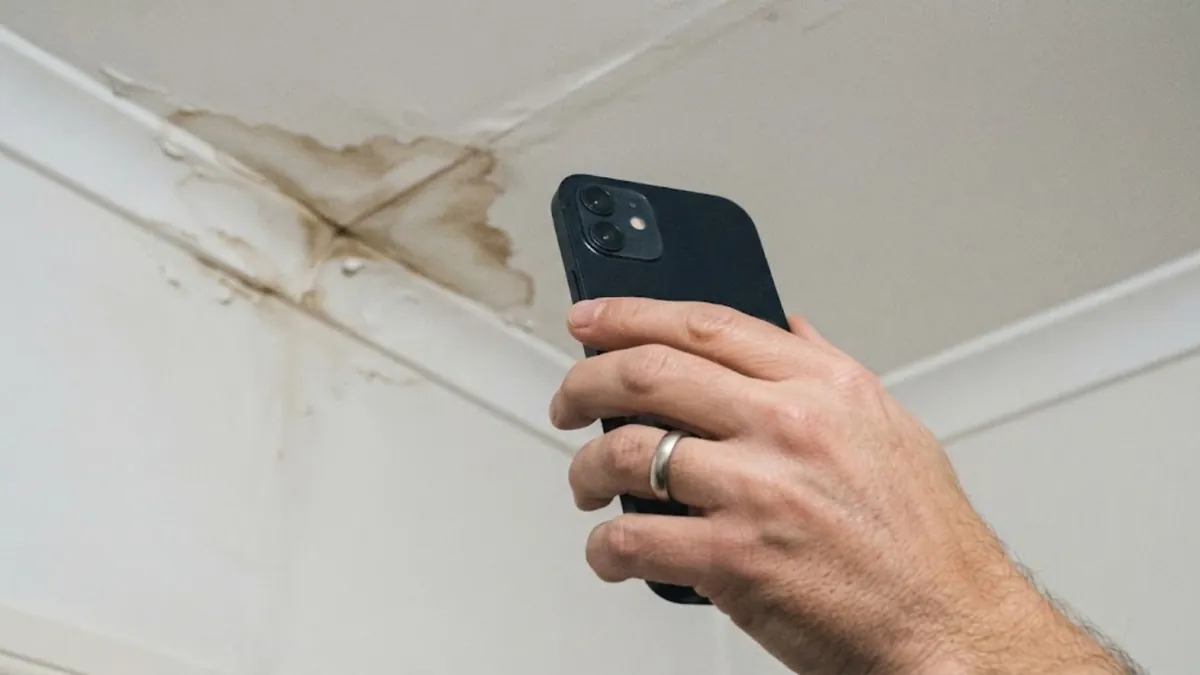
The most common mistake is waiting. A homeowner sees a stain, hopes it dries and calls weeks later. By then the insurer may argue that the damage was gradual, and the extra mold may fall outside coverage. Reporting early and documenting the timeline protects both the claim and the house.
Another is discarding evidence. Damaged materials, the failed pipe and the first photographs are your proof of how and when the loss happened. A third is signing a work authorization without reading it. Ask who is paying, what is covered and what happens if the insurer denies the claim.
A fourth is skipping the plumber's report. A written statement with the date, the cause and the repair gives the adjuster the facts in plain language. Ask for it, and keep it with your photos and invoices.
Insurance Questions
Often, for the resulting water damage, when the burst is sudden and accidental. The pipe itself is often excluded, so read your policy.
It depends on the policy and the timeline. Some policies cover tear-out and access, many exclude the pipe, and gradual leaks are usually excluded.
Standard policies often exclude backup of sewers and drains. A water backup endorsement adds that coverage, and it is worth asking your agent.
Stop the water and prevent further damage right away, then keep the failed part and photograph everything. Ask your insurer before major repairs.
Water Damage in Your Home?
Call the 24/7 line. Stop the water, photograph everything, then call your insurer.
☎ Call (949) 325-3122