Slab Leak Detection & Repair in Mission Viejo, CA
Water lines under a concrete slab located with listening gear and thermal imaging, then repaired in place or rerouted, with the options priced before work.
- Pinpoint before cutting
- Repair or reroute options
- Price before work
- 24/7 call line
Slab Leak Detection and Repair in Mission Viejo
A slab leak is a leak in a water supply line that runs beneath or inside the concrete foundation of a house. The pipe is out of sight, so the first sign is usually a symptom somewhere else: a spinning meter, a warm patch on the floor, or the sound of water in a quiet room.
Casta del Sol added 1,927 mostly single-story homes between 1972 and 1987, and single-story houses on concrete slabs are where these leaks show up. Copper lines laid in that era have decades of wear, and a pinhole in a hot water line can run for weeks before a bill or a damp carpet gives it away.
Why Slab Leaks Show Up in Mission Viejo Homes
Many Mission Viejo homes built from the late 1960s through the 1980s sit on concrete slabs with copper supply lines running through or under them. Over decades copper can corrode from the outside where it touches concrete or soil, and from the inside through pitting. Water hammer and high street pressure add wear, and a pinhole is small but constant under pressure.
Signs You May Have a Slab Leak
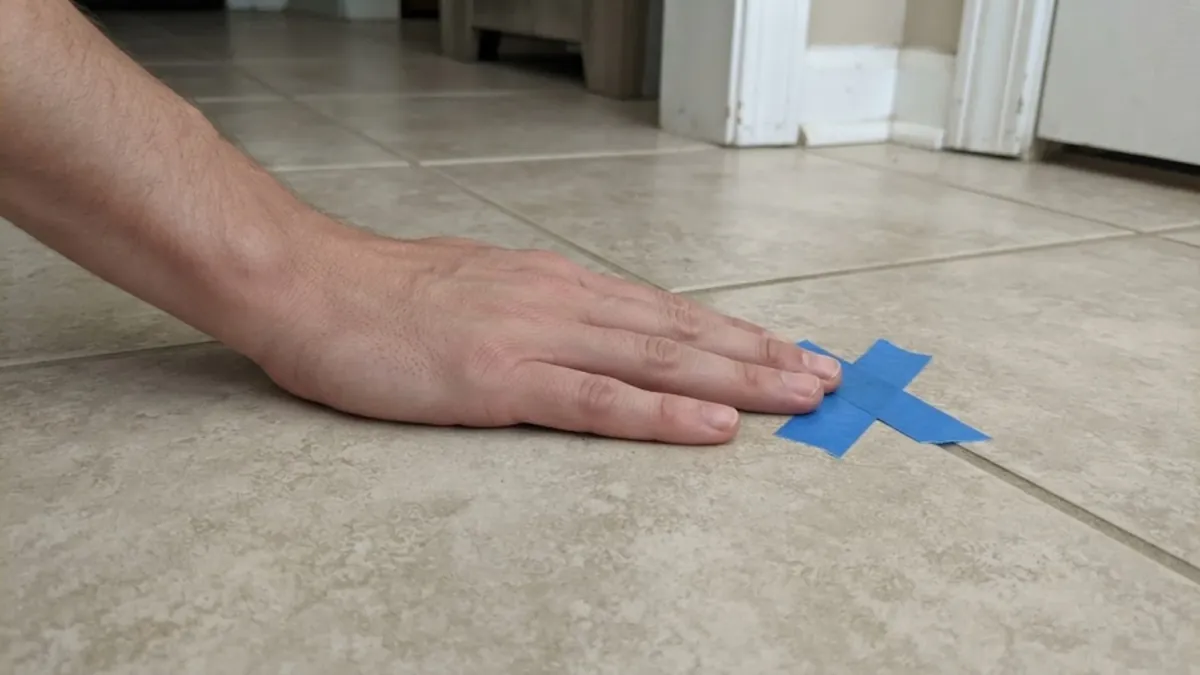
A warm spot on the floor
A hot water line leaking under the slab can heat the concrete above it, and bare feet notice before anything else.
The meter keeps moving
With every fixture off, a meter that still turns points to a leak on the supply side.
Sound of running water
A hiss or trickle with no fixture running suggests pressurized water is escaping.
Damp flooring or baseboards
Lifting carpet, cupped wood floors or wet drywall at the bottom of a wall can trace back to the slab.
What to Do Right Away
- Close the main water shutoff and see whether the sound or the meter movement stops.
- Turn off the water heater if the leak is on the hot side, so it does not run dry and overheat.
- Lift rugs and move furniture off wet flooring, and photograph the damage for your insurer.
- Do not cut into the floor yourself, since the wet spot is often not above the leak.
How a Slab Leak Is Pinpointed
| Step | What the plumber does | Why it matters |
|---|---|---|
| Meter and pressure check | Confirms the leak is on the supply side and which line is losing pressure | Rules out toilets, irrigation and fixtures first |
| Zone isolation | Shuts off hot and cold lines separately and tests each | Separates a hot line leak from a cold line leak |
| Acoustic listening | Uses a sensitive microphone on the floor to find the loudest point | Narrows the leak to a few feet of pipe |
| Thermal imaging | Reads temperature changes through the surface | Confirms a hot water leak and its path |
Three Ways to Fix a Leak Under the Floor
Spot repair breaks a small opening in the slab above the leak, replaces the damaged section and patches the concrete. It is the least disruptive option when the pipe is otherwise sound and the leak is isolated.
Rerouting abandons the leaking line and runs a new one through the attic or walls to the same fixtures. It avoids concrete work and suits homes where the line has failed more than once.
Repiping the home replaces the supply system with new pipe. Our repiping page explains when it makes sense, which is usually after a second leak in aging copper. Any new or rerouted water piping must meet the California Plumbing Code, built on the Uniform Plumbing Code (UPC), and be pressure tested before it is covered.
What Happens Once the Leak Is Located
Before any work starts, the plumber explains where the leak is and how deep it sits. Three paths are possible, a spot repair through the floor, a reroute through the attic or walls, or a full repipe. The water to that line is usually shut off while the choice is made, and a hot-water line leak can mean no hot water until the repair is finished.
Rerouting and repiping normally require a permit and an inspection. Ask who pulls it and what the quote includes for patching drywall and flooring, since those are the costs that surprise people.
Protecting Floors and Belongings During the Repair
Tile and hardwood need a plan. Ask whether the floor will be opened by cutting a small square or a long channel, how matching tile will be found and how dust will be contained. Furniture and rugs come off the repair area before work begins.
If water has reached the floor covering, drying matters as much as the pipe. A trace comes first through leak detection, and water damage restoration handles the drying if water spread.
Warm Spots, Late Hot Water and the Water Heater Clue
A leak on the hot line leaves a warm spot on the floor, and the water heater can show it too. A heater that cycles on and off more often than usual, or hot water that takes much longer to arrive, may be feeding a leak underground. The heater is fine in that case and the loss is in the pipe.
Cold-line leaks are quieter. The usual signs are a meter that moves with every fixture off, a damp patch on the slab edge outside, or a hissing sound at night. Tell the plumber which line you suspect so the first test is aimed at the right pipe.
What a Slab Leak Costs
Cost depends on where the line runs and how long the leak went unnoticed. A leak near an exterior wall is quicker to reach than one under a kitchen island, and flooring over the area changes the repair scope.
Many policies cover the tear-out needed to reach a leaking pipe and the resulting water damage, but not the pipe itself. Coverage varies a great deal, so read the access and water damage terms before work begins.
Where a Slab Leak Fits Among Other Leaks
Not every spinning meter means the slab. A leak between the meter and the house is a service line problem, covered under water line repair and replacement, and general leak detection rules out the rest first.
If water has already soaked flooring or drywall, water damage restoration handles the drying side. Homes in nearby San Juan Capistrano get the same 24/7 slab leak tracing.
Where We Work Across Mission Viejo
Beyond Casta del Sol's 1,927 homes, slab-on-grade houses are common in the tracts built in the early 1970s around Marguerite Recreation Center, which opened in 1972. Homes near Lake Mission Viejo and along Alicia Parkway get the same acoustic and thermal tracing.
Slab Leak Questions From Mission Viejo Homeowners
The usual signs are a warm spot on the floor, a meter that keeps moving with everything off, the sound of running water, and unexplained dampness at the base of walls.
Often yes. Listening gear and thermal imaging mark the exact spot, so a spot repair opens a small section. Rerouting the line through the attic avoids the slab entirely.
A long-running leak can wash out soil under the slab and cause settling. That is why a confirmed slab leak should be fixed promptly rather than watched.
Water surfacing in the house is. Even a hidden leak wastes water and damages flooring by the day, so close the main shutoff and call the 24/7 line.
A single leak in sound pipe usually suits a spot repair. A second leak in the same line or pipe with many pinholes usually points toward rerouting or repiping.
Water Where the Floor Should Be Dry?
Call the 24/7 Mission Viejo line and close the main shutoff while you wait.
☎ Call (949) 325-3122