Water Damage Restoration in Mission Viejo, CA
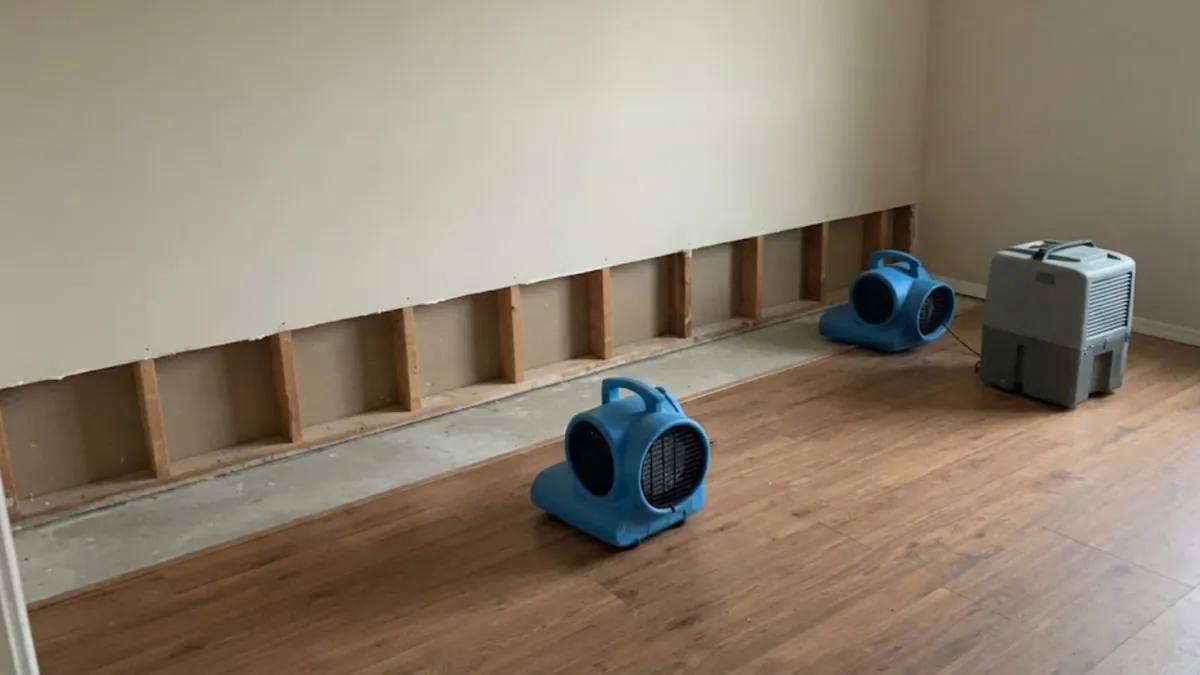
Water removed, structure dried, contents and materials cleaned, and damaged areas restored, with moisture readings that show when the job is done.
- 24/7 emergency line
- Extraction and drying
- Moisture documentation
- Insurance paperwork help
Emergency Water Damage Restoration in Mission Viejo
Water damage restoration is the process of removing water, drying the structure and contents, cleaning and sanitizing affected areas, and repairing what cannot be saved. It applies to any source: a burst pipe, a failed water heater, a sewage backup, a roof leak in a winter storm, or an overflowing appliance.
Speed matters because water keeps moving. It wicks up drywall, soaks into subfloors and spreads under flooring. The EPA advises drying wet materials within 24 to 48 hours to prevent mold, and that window is the reason this line answers around the clock.
Do This While You Wait for the Crew
- Stop the source if you can, such as closing the main water shutoff or the valve to the appliance.
- Stay out of standing water near outlets, and switch off power to wet areas at the panel only if it is dry and safe to reach.
- Move furniture, rugs and electronics out of the wet area, and lift upholstery off wet carpet.
- Photograph and video everything before you move or discard it, for your insurer.
- If the water came from a sewage backup or outside flooding, keep children and pets out and do not try to clean it yourself.
Three Categories of Water and Why They Matter
| Category | Source | What it means for cleanup |
|---|---|---|
| Category 1, clean | Supply line, sink overflow, rain intrusion | Dry quickly. It can degrade to category 2 in a day or two. |
| Category 2, gray | Dishwasher, washing machine, toilet overflow with urine | Contaminated. Porous materials like carpet padding are usually removed. |
| Category 3, black | Sewage, rising floodwater | Grossly contaminated. Porous materials are removed and surfaces disinfected. |
How a Restoration Project Runs
Assess
The crew finds the source, maps the wet areas and takes moisture readings.
Extract and dry
Standing water is removed. Air movers and dehumidifiers dry the structure.
Clean and treat
Affected surfaces are cleaned, and contents are cleaned or removed.
Restore
Drywall, flooring and finishes that could not be saved are repaired or replaced.
The Industry Standard Behind Professional Drying
The IICRC S500 Standard and Reference Guide for Professional Water Damage Restoration defines the water categories above and the drying goals for a structure. Reputable restoration companies follow it, and you can ask whether a crew does and whether its technicians hold current IICRC certification.
A good job ends with documented moisture readings that show materials have returned to their normal dry level. Walls that feel dry to the touch can still hold moisture, which is why readings, not feel, decide when equipment comes out.
Plumbing repairs are separate from restoration. If a pipe or fixture caused the damage, burst pipe repair or leak detection handles the source on the plumbing line, and this page covers the cleanup.
Where Mission Viejo Water Damage Tends to Start
Many homes here are single-story ranches on slabs, built from the 1960s through the 1990s. Water from a leaking water heater in the garage, a supply line behind a washer or a pinhole in a hot water line can spread across a slab floor and wick into baseboards before anyone notices.
Attached homes and condominiums add a second risk, which is water from a neighbor's unit. In an HOA community, the association's master policy typically covers the building structure while your own policy covers interiors and belongings, so the claim path depends on where the water started.
Winter storms can also drive water through roofs, windows and garage doors. The restoration process is the same, though a roof or window repair is a different trade.
What Water Damage Restoration Costs
Cost depends on how much area is wet, how long it has been wet and the category of water. A small supply-line leak caught in hours costs far less than a slow leak that soaked a wall for weeks.
Sudden water damage is often covered by homeowners insurance, while slow leaks and flooding from outside usually need separate coverage. Report the loss promptly, document it, keep damaged items until the adjuster has seen them, and read any work authorization before you sign.
Mitigation, Plumbing and Next Steps
The first hours of a loss are covered on our water mitigation page, which explains the emergency steps that limit damage before the full restoration scope is set. If the source is a failing line, repiping may follow once the structure is dry.
The same 24/7 team covers nearby Laguna Hills as well.
Where We Work Across Mission Viejo
Water damage calls come from every neighborhood, from Pacific Hills in the north to Casta del Sol in the south. Because much of the city sits on hills, water from a failed line can travel downhill into a garage or the next lot.
We note the nearest landmarks, such as Mission Hospital, Saddleback College or Lake Mission Viejo, to get dispatch to the right street quickly.
Water Damage Restoration Questions From Mission Viejo Homeowners
As fast as possible. The EPA advises drying wet materials within 24 to 48 hours to prevent mold, and delays let water spread into walls and subfloors.
For a small, clean spill, yes. For anything larger, hidden moisture in walls and subfloors needs commercial equipment and moisture readings.
Sudden events such as a burst pipe are often covered. Slow leaks and outside flooding usually are not. Report quickly and document everything.
Treat it as a health hazard. Keep people and pets out and call. Porous materials are usually removed, and surfaces are disinfected.
Moisture readings compared to dry reference levels show it. Ask for the documented readings before equipment is removed.
Water Damage in Your Home?
Call the 24/7 Mission Viejo line. Fast drying limits how far the damage spreads.
☎ Call (833) 521-1033