Why Your Toilet Keeps Running: Causes, Fixes and What It Costs You
A running toilet is usually a cheap fix. Finding the cause takes ten minutes and a few drops of food coloring.
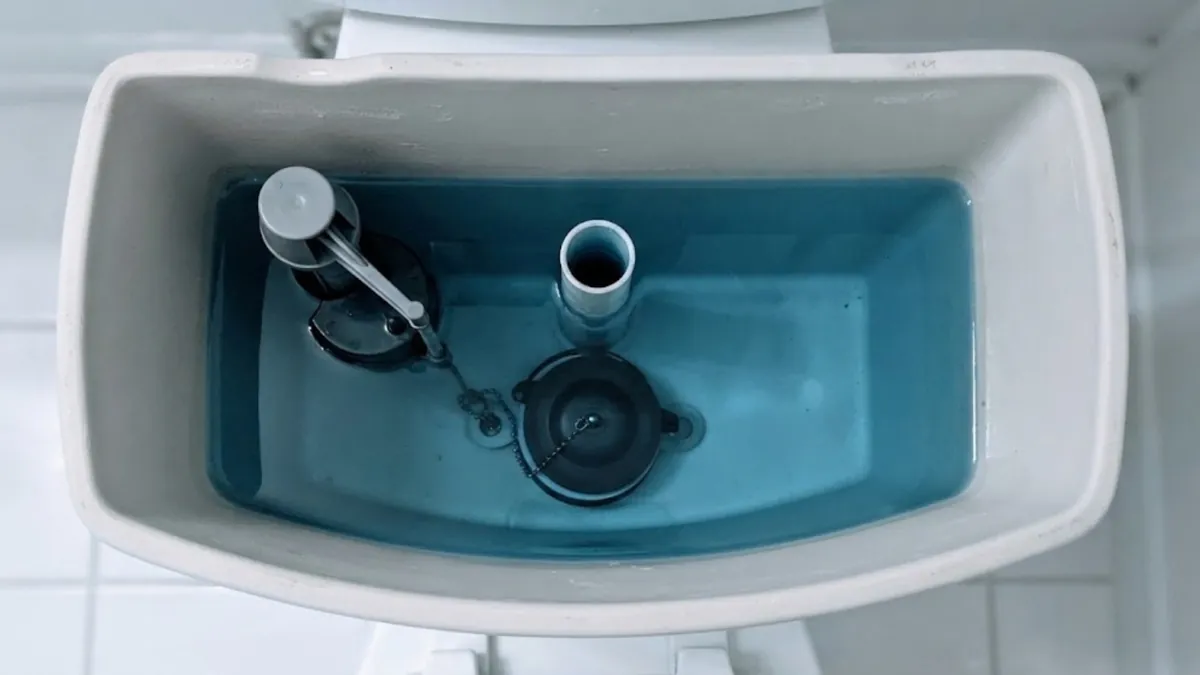
Key Takeaways
- The EPA says a toilet that runs constantly can waste 200 gallons of water or more a day.
- A worn flapper is the most common cause, and it costs only a few dollars to replace.
- A silent leak does not make noise, so use a dye test to find it.
- California limits new toilets to 1.28 gallons per flush, so an old toilet is a double drain on the water bill.
What a Running Toilet Costs You
The EPA's WaterSense program says that a toilet running constantly could waste 200 gallons of water or more every day, and that the cause is most often an old, faulty flapper. Over a year, that is tens of thousands of gallons. EPA also says the average household loses nearly 10,000 gallons a year to leaks of all kinds.
In Mission Viejo, that water arrives from Santa Margarita, Moulton Niguel or El Toro Water District, and you pay for each unit that passes through the meter. A running toilet is one of the easiest leaks to fix and one of the costliest to ignore.
The good news is that most causes are small parts. The guide below walks through the five usual ones, from the cheapest fix to the one that signals a bigger job.
Find the Cause: A Ten-Minute Dye Test
- Take the tank lid off and set it somewhere safe.
- Put a few drops of food coloring in the tank water. Do not flush.
- Wait about 10 minutes and look at the bowl.
- If color appears in the bowl, water is leaking past the flapper or flush valve.
- Flush right away to clear the dye, so it does not stain the tank.
What Is Wrong and How to Fix It
| Cause | What you notice | Fix |
|---|---|---|
| Worn or warped flapper | Hissing, or the tank refills every few minutes | Replace the flapper. It is a few dollars and a few minutes. |
| Chain too short or too long | The flapper does not seat fully, or it stays open | Adjust the chain so it has a little slack when the flapper is closed |
| Fill valve that will not shut off | Water runs into the overflow tube | Adjust the float, or replace the fill valve |
| Water level set too high | Water spills into the overflow tube constantly | Lower the water level to the mark in the tank |
| Worn flush valve seat | A new flapper still leaks | Replace the flush valve, or the toilet if it is old. See toilet repair |
How to Replace a Flapper
Close the small valve behind the toilet, flush to empty the tank and unhook the old flapper from its chain and the pegs on the overflow tube. Take it to a hardware store so the new one matches. Hook the new flapper on, adjust the chain to leave slight slack and open the valve.
Run the dye test again to make sure it seals. If the toilet is more than a decade old, replacing the whole flush valve assembly is worth considering, since the seat itself may be rough or worn.
Southern California tap water is treated with chloramine, which water industry research has linked to faster aging of some rubber parts. If flappers fail every couple of years, a chloramine-resistant flapper is a sensible choice.
When the Toilet Itself Is the Problem
California limits new toilets to 1.28 gallons per flush. A toilet made before the 1994 federal standard can use 3.5 gallons or more per flush, nearly three times as much. The EPA estimates that a family of four replacing older toilets with WaterSense labeled models could save more than 16,000 gallons a year.
Mission Viejo's first homes date to 1966, and some older houses may still have original or early replacement toilets. If yours is among them and the flush valve is also worn, replacement can pay for itself in lower water bills. Local water districts have offered rebates on high-efficiency toilets at times, so ask yours before you buy.
Replacement also pairs with other bathroom work. If you are planning a remodel, our shower and bathtub installation page covers the plumbing behind the walls.
Signs It Is Not Just a Toilet Problem
If the toilet is quiet and the meter still moves with every fixture off, the leak is elsewhere. Run the two-hour meter test, and if it shows a leak, leak detection finds the source. A toilet that gurgles when another drain runs points to the sewer line, which is a job for drain cleaning.
Call a plumber if the tank cracks, the base leaks, the floor feels soft or the supply line is corroded. Water at the base of the toilet is a seal or flange problem that does not fix itself.
The same crew repairs toilets in nearby Rancho Santa Margarita.
Mistakes That Turn a Cheap Fix Into a Costly One
Overtightening is the classic. Tank bolts and supply nuts need snug, not cranked, and a cracked porcelain tank or bowl cannot be repaired. Use a wrench gently, and stop when the connection holds.
The wrong flapper is the next most common. Many toilets take a 2-inch flapper and some take a 3-inch, and a mismatched part never seals. Bring the old flapper to the store, or check the brand and model printed in the tank.
Skipping the dye test is a quieter mistake. If you replace the flapper and skip the test, you will not know whether the leak is fixed until the next bill arrives. A tangled chain, or a chain that is too short, can also keep the flapper from closing, so check it before you blame the part.
Running Toilet Questions
The EPA says a toilet that runs constantly can waste 200 gallons or more a day. A slow, silent leak wastes less but still adds up over a year.
A flapper that leaks slightly lets water drain from the tank, so the fill valve turns on to refill it. That cycle is sometimes called a phantom flush.
A flapper or fill valve is a low-cost part. A new flush valve or toilet costs more, and a plumber can give you the price before work starts.
If it predates 1994, it likely uses much more water per flush than a 1.28-gallon model. The water savings can justify the change.
Toilet Still Running After a New Flapper?
Call the 24/7 Mission Viejo line and a plumber can check the flush valve and fill valve.
☎ Call (949) 325-3122